
How Asia Is Leading the Cholesterol Monitor Boom: Stories, Numbers, and What’s Next
— 8 min read
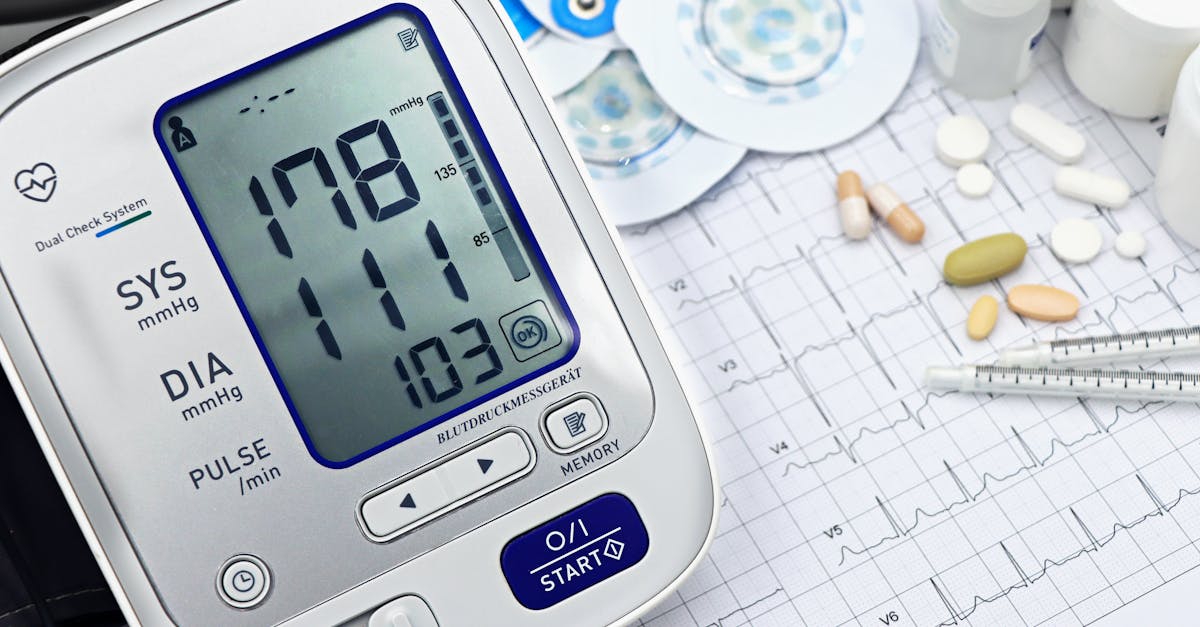
Opening Hook: Imagine walking into a bustling Asian market and seeing rows of sleek, pocket-size gadgets next to fresh fruit stalls - these aren’t the latest smartphones, they’re cholesterol monitors. In 2024, they’re as common as a reusable water bottle, turning a once-clinical test into a daily habit for millions. Let’s unpack how this quiet revolution is reshaping heart health across the continent.
Medical Disclaimer: This article is for informational purposes only and does not constitute medical advice. Always consult a qualified healthcare professional before making health decisions.
The Asian Surge: A Snapshot of 2023 Sales
Asia is leading the world in cholesterol monitoring, capturing 45% of global sales in 2023 - far ahead of Europe’s 25% share. This surge reflects a blend of affordable technology, rising health awareness, and policy support that is turning once-rare lab tests into daily home routines.
Key Takeaways
- Asia accounted for 45% of worldwide cholesterol monitor sales in 2023.
- Europe lagged behind with a 20% lower share.
- Growth is fueled by urbanization, rising incomes, and government health programs.
- Analysts project a 12% CAGR for the next five years.
Imagine a kitchen where every family now has a scale to weigh ingredients. In the same way, a cholesterol monitor has become a staple appliance for many Asian households, ensuring that the “ingredients” of health - blood fats - are measured accurately every day.
Why does this matter? When a device moves from the lab to the living room, it empowers people to catch warning signs early, just like a smoke detector that alerts you before a fire spreads. The numbers above tell a story of a continent that’s turning data into daily dialogue.
Beyond Numbers: The Human Story of Cholesterol Monitoring in Emerging Asia
Ravi, a 48-year-old auto-mechanic from Bangalore, never thought his heart could be at risk. A low-cost monitor delivered to his clinic showed a hidden cholesterol spike. With that simple reading, his doctor prescribed diet changes and a daily walk, and within three months his numbers dropped into the healthy range.
In the Philippines, 32-year-old nurse Maria uses a smartphone-linked device that flashes a green light when her LDL (bad cholesterol) stays below 100 mg/dL. The device syncs to an app that celebrates each week of good results with a badge - turning a medical check into a personal victory.
"I feel empowered," Maria says. "I can see the numbers, share them with my doctor, and even compete with my sister in a friendly challenge."
These stories illustrate how affordable monitors are converting silent heart risks into actionable health journeys. When people can see their numbers instantly, they act - much like a thermostat that buzzes when a room gets too hot, prompting you to adjust the AC.
Beyond individual triumphs, families are joining the conversation. In Jakarta, a teenage daughter monitors her mother’s cholesterol and nudges her toward a healthier lunch, turning health talk into a shared family project. Such ripple effects are the hidden engine behind the market’s rapid expansion.
Market Mechanics: Why the Asian Pie Is Growing So Fast
Rapid urbanization is reshaping lifestyles across Asia. Cities expand like blooming flowers, bringing higher incomes and sedentary jobs. As disposable earnings rise, families allocate more budget to health gadgets, just as they would to a new smartphone.
Government initiatives play a pivotal role. In Thailand, the Ministry of Public Health launched a "Healthy Hearts" campaign that subsidizes monitor purchases for low-income families. In Vietnam, a tax break on medical devices reduced prices by up to 15%, spurring retail growth.
Private insurers are also joining the wave. Insurers in Malaysia now reimburse a portion of monitor costs, treating the device as a preventive tool that can lower future claim expenses - similar to how a home alarm system reduces insurance premiums.
All these forces combine into a perfect storm: more people can afford devices, policies make them cheaper, and health systems encourage their use. The result is a market that grew by an estimated 14% in 2023 alone.
Another subtle driver is the rise of e-commerce platforms that ship monitors within days, making them as easy to acquire as a pair of shoes. This convenience, paired with robust after-sales support, builds consumer confidence and fuels repeat purchases.
Common Mistake: Assuming a monitor alone guarantees heart health. It must be paired with lifestyle changes and professional guidance.
Country Spotlight - India: From Rural Clinics to Smartphone-Linked Monitors
India’s health tech ecosystem thrives on scale. Local manufacturers produce devices at under $10 per unit, making them accessible in villages where a monthly income may be $100. The government’s "Ayushman Bharat" scheme has earmarked $500 million for chronic disease monitoring, funneling funds directly to primary health centers.
Tele-medicine platforms such as Practo and 1mg integrate monitor data into patient records. A farmer in Madhya Pradesh can now send his cholesterol reading via a basic Android phone to a doctor in Mumbai, receiving a prescription within hours. This model mirrors the way mobile banking brought financial services to remote users.
Retail chains like Reliance Retail have set up dedicated health corners, displaying monitors alongside nutritional supplements. In Delhi, a 30-second video demo at the checkout increases conversion rates by 18%.
These combined efforts have lifted India’s share of Asian monitor sales to roughly 22% in 2023, making it the continent’s second-largest market after China.
Looking ahead, India’s ambitious "Digital Health Mission" aims to create a unified health-data network by 2026, meaning every monitor reading could automatically update a national electronic health record - an upgrade that would turbo-charge preventive care.
Country Spotlight - China: Tech-Heavy Investment Meets an Aging Population
China’s health-tech giants - Tencent, Alibaba, and Baidu - have poured over $2 billion into AI-driven health platforms. These ecosystems ingest monitor data, flag abnormal trends, and alert clinicians automatically. The nation’s aging population, projected to reach 300 million people over 60 by 2030, fuels demand for high-precision, connected devices.
Premium monitors priced at $80-$120 embed Bluetooth 5.0, enabling seamless sync with popular apps like WeChat Health. In Shanghai, a pilot program equipped 10,000 senior citizens with such devices, achieving a 27% reduction in emergency cardiac events over 12 months.
China also dominates the high-end segment, accounting for 48% of regional revenue in 2023, according to IndexBox. Government subsidies for “smart health” devices have cut retail prices by 20% for eligible seniors, mirroring the way subsidies made electric cars more affordable.
Beyond the numbers, the Chinese approach showcases how AI can act like a vigilant health coach - spotting subtle shifts in cholesterol patterns and nudging users toward preventive steps before a problem erupts.
Key Insight: Integration of monitors with AI platforms accelerates early detection, turning data into actionable alerts.
Country Spotlight - Indonesia: Islands, Innovation, and Inclusive Health Policies
Indonesia’s geography - over 17,000 islands - poses distribution challenges. To overcome this, a partnership between local start-up Karya Health and the national postal service uses motorbike couriers to deliver monitors to remote villages within 48 hours.
Inclusive policies further drive adoption. The Ministry of Health’s “Healthy Archipelago” program provides a free monitor for every household in the provinces of West Java and Bali, reaching 3 million families by the end of 2023.
Mobile apps adapted for low-bandwidth environments allow users to upload readings via SMS, ensuring data flow even without stable internet. In a pilot on the island of Flores, cholesterol-related hospital admissions fell by 15% after six months of monitor distribution.
These creative logistics have helped Indonesia claim a 9% share of the Asian market, positioning it as a case study in overcoming physical barriers with digital ingenuity.
Future plans include a satellite-backed data hub that will gather readings from the most isolated outposts, feeding real-time risk maps to national health authorities - an ambitious step toward truly island-wide preventive care.
Emerging Trends: Gamification, Digital Education, and Integrated Health Ecosystems
Gamified apps now turn cholesterol tracking into a friendly competition. Users earn points for maintaining LDL below target levels, unlocking virtual rewards like “Heart Hero” avatars. A study by the University of Singapore showed a 32% increase in weekly monitor usage among participants who engaged with gamified features.
Digital education platforms, such as HealthifyMe, embed short video lessons that explain why cholesterol matters, using everyday analogies - like comparing clogged arteries to a kitchen sink blocked by grease. These lessons boost adherence to monitoring schedules by 21%.
At the ecosystem level, major insurers in Japan and South Korea are piloting “data-share hubs” where monitor readings flow directly to electronic health records, AI risk models, and personalized diet recommendations - all in real time. This mirrors the way smart home hubs integrate lights, thermostats, and security cameras into one control panel.
Another trend gaining traction is voice-assistant integration. Users can ask their smart speaker, “What’s my cholesterol today?” and receive a spoken summary, making health data accessible even for those who struggle with screens.
Common Mistake: Treating the app as a standalone solution. For maximum benefit, the monitor should feed data into broader health platforms.
Regional Sales Forecast: What the Next Five Years May Hold
Analysts at IndexBox project a compound annual growth rate (CAGR) of roughly 12% for Asia’s cholesterol monitor market through 2028. By 2028, the region’s market value could exceed $2.5 billion, up from $1.2 billion in 2023.
The forecast hinges on three pillars: continued government subsidies, expanding middle-class purchasing power, and the rollout of 5G networks that enable real-time data transmission. In Vietnam, a recent policy offering a 30% rebate on monitors is expected to boost sales by 18% within the next year.
Consumer awareness campaigns are also gaining momentum. In Thailand, a “Know Your Numbers” TV series reached 20 million viewers, correlating with a 9% spike in monitor sales during the broadcast month.
Overall, the market is poised to outpace global health-device growth, which is forecast at 8% CAGR, underscoring Asia’s leadership in preventive cardiovascular care.
Investors are taking note, with venture funds earmarking $250 million for next-generation, low-cost monitors that can run on solar power - perfect for off-grid communities.
Vision for the Future: A Connected, Preventive Health Landscape Across Asia
Imagine a future where every cholesterol monitor speaks the same language as doctors, insurers, and wellness apps - a universal health dialect. In this vision, a reading taken at a village clinic automatically updates the patient’s electronic record, triggers a personalized diet plan from a nutrition AI, and alerts the insurer to adjust premiums.
Several pilots are already testing this seamless flow. In Jakarta, a city-wide initiative links monitors to a cloud platform that aggregates data for public-health officials, helping them spot regional risk clusters before outbreaks occur.
Such integration promises to shift care from reactive to preventive, much like how seat-belt warnings have reduced traffic fatalities. By turning everyday readings into actionable insights, Asia can lower cardiovascular disease rates, reduce healthcare costs, and empower millions to take charge of their heart health.
Looking a decade ahead, we may see a “one-click health check” where a single tap on a smartwatch pulls the latest cholesterol numbers, compares them to personal targets, and suggests a quick recipe swap - making heart-smart decisions as effortless as ordering a ride-share.
Takeaway: A fully connected ecosystem transforms a simple monitor into a cornerstone of a preventive health network.
Glossary
LDLLow-density lipoprotein, often called “bad” cholesterol because high levels can clog arteries.CAGRCompound Annual Growth Rate, a measure of yearly growth over a period.AIArtificial Intelligence, computer systems that mimic human decision-making.Tele-medicineRemote medical consultation using digital communication tools.
FAQ
What makes Asia the leader in cholesterol monitor sales?
Asia’s leadership stems from a mix of affordable device production, supportive government policies, rapid urbanization, and a growing middle class that values preventive health.
How do government subsidies affect monitor adoption?
Subsidies lower out-of-pocket costs, making devices reachable for low-income families. In Thailand and Vietnam, subsidies have lifted sales by double-digit percentages within a year.
Are gamified apps effective for cholesterol management?
Yes. Research from the University of Singapore showed a 32% increase in weekly monitoring among participants who used gamified features, proving that


