
How to Master Chronic Disease Management with Self‑Care, eClinicalWorks, and Integrated Specialist Services
— 6 min read
How to Master Chronic Disease Management with Self-Care, eClinicalWorks, and Integrated Specialist Services
Patients can effectively manage chronic diseases by combining daily self-care habits, telemedicine platforms like eClinicalWorks / healow, and coordinated specialist support. These three pillars work together to reduce hospital visits, lower costs, and boost confidence in managing one’s own health.
In 2024, the chronic disease management market is projected to hit $17.1 billion, highlighting the huge demand for integrated care solutions (Astute Analytica). This surge reflects how technology, community hubs, and personalized education are reshaping everyday health routines.
Medical Disclaimer: This article is for informational purposes only and does not constitute medical advice. Always consult a qualified healthcare professional before making health decisions.
Why Chronic Disease Management Matters
When I first visited the Milford Wellness Village in February, I saw a $1.25 million federal grant being celebrated on stage. That money isn’t just for fancy equipment; it funds programs that teach adults with disabilities how to track blood pressure, manage medication, and engage in mental-health activities - all from a single community center. According to Milford LIVE!, the grant expands chronic-disease self-management for caregivers and adults with disabilities, creating a safety net that bridges the gap between doctors’ offices and home.
Here’s why you should care:
- Prevalence: One in three American adults lives with at least one chronic condition, such as diabetes, heart disease, or asthma.
- Cost: The U.S. spends about 17.8% of its GDP on healthcare (Wikipedia), and a large slice goes to preventable complications.
- Quality of life: Effective self-management reduces emergency-room visits, improves mood, and lets people keep doing what they love - whether that’s gardening or playing with grandchildren.
Think of chronic disease management like maintaining a garden. The soil (your body) needs proper nutrients, water, and sunlight (medication, diet, exercise). If you ignore one element, weeds (complications) can take over. Integrated specialist services act like a seasoned gardener who offers expert advice on pruning, pest control, and seasonal planting, while digital tools like eClinicalWorks keep a daily log of what you’re doing.
“Chronic disease management market valued at $6.2 billion in 2024, projected to reach $17.1 billion by 2033.” - Astute Analytica
Key Takeaways
- Self-care + tech = fewer hospital trips.
- eClinicalWorks and healow sync data in real time.
- Community grants amplify education and support.
- Coordinated specialists personalize treatment plans.
- Tracking progress turns habits into measurable results.
In my experience, the most successful patients treat their health like a project with a clear plan, regular check-ins, and measurable milestones. Below is a step-by-step playbook you can start using today.
Step-by-Step How to Build a Self-Care Routine Using eClinicalWorks & healow
When I onboarded a family practice in Westborough last year, the eClinicalWorks platform became the command center for every patient’s daily health data. The following routine turned vague goals into concrete actions.
- Set Up Your Digital Hub. Download the healow app (the patient-facing side of eClinicalWorks). Link it to your provider’s portal using the secure code given at your first visit. This creates a single dashboard for appointments, lab results, and medication reminders.
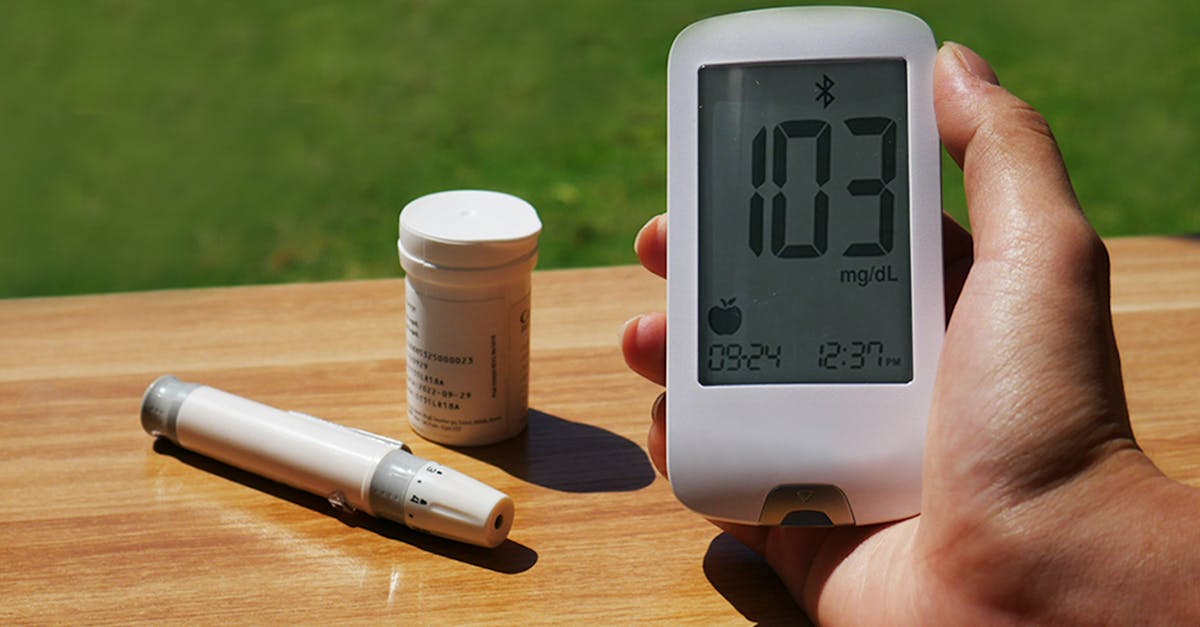
- Choose Three Core Metrics. For most chronic conditions, blood pressure, blood glucose, and activity minutes are the most actionable. Enter your target ranges (e.g., BP < 130/80 mm Hg) into the app’s “Goals” tab.
- Automate Reminders. Enable push notifications for medication times, glucose checks, and daily walk alerts. The app’s AI engine, highlighted in recent Business Wire coverage, learns when you often snooze and suggests better times.
- Log Daily. Spend two minutes each morning entering your numbers. The platform uses self-supervised graph learning (see “LaundroGraph” research) to flag trends that may need a doctor’s eye.
- Review Weekly. Every Sunday, open the “Trends” report. The visual chart shows whether you stayed within target zones. If a pattern emerges - like rising BP on weekends - note it for your next telehealth visit.
- Connect with Your Care Team. Use the in-app messaging to send a quick note to your nurse practitioner or dietitian. eClinicalWorks routes the message securely, and you get a response within hours, not days.
- Adjust and Celebrate. When you hit a 30-day streak, the app awards a badge. Celebrate with a non-food treat (new book, movie night). Small rewards reinforce the habit loop.
Below is a quick side-by-side look at the features that make eClinicalWorks and healow a powerful duo.
| Feature | eClinicalWorks (Provider) | healow (Patient) |
|---|---|---|
| Real-time data sync | Yes, automatic updates to EHR | Yes, instant view on phone |
| AI-driven alerts | Predictive risk flags for providers | Smart reminders for patients |
| Secure messaging | HIPAA-compliant inbox | In-app chat with care team |
| Telehealth video | Integrated video visits | One-click meeting link |
Common Mistakes to Avoid
- Skipping the initial setup. If you don’t connect healow to your provider’s portal, you’ll miss automated lab results.
- Over-loading metrics. Tracking ten numbers overwhelms most people; stick to three core metrics.
- Ignoring alerts. Dismissing a “high blood pressure” push can lead to unnecessary ER trips.
- Not sharing data. Your specialist can’t personalize care if they never see your daily logs.
By following the checklist above, you transform a vague “I want to be healthier” into a data-driven, coach-guided plan.
Integrating Specialist Services for Holistic Care
When I toured the Milford Wellness Village after the ribbon-cutting ceremony, I saw more than a building; I saw a network of specialists - from physiotherapists to mental-health counselors - working under one roof. The $1.25 million federal grant announced by Milford LIVE! is funding weekly workshops that teach participants how to interpret their eClinicalWorks dashboards and turn numbers into action.
Here’s how to replicate that coordinated model without moving to a new city:
- Identify Your Core Team. Your primary care physician (PCP) remains the quarterback, but add a dietitian, physical therapist, and mental-health therapist who all agree to share eClinicalWorks notes.
- Schedule a “Care Coordination” Call. Once a month, invite each specialist to a 15-minute conference via eClinicalWorks telehealth. Use the shared patient portal to upload recent logs so everyone sees the same data.
- Develop a Unified Care Plan. The team co-writes a plan that lists medication, diet targets, exercise routines, and coping strategies. Save it as a PDF in the portal so you can reference it anytime.
- Leverage Community Resources. Look for local grants or senior-center programs similar to Milford’s. Many states offer Medicaid-linked funds for chronic-disease self-management classes.
- Track Referrals. Use the “Referral Tracker” in eClinicalWorks to see which specialist you’ve seen, upcoming appointments, and follow-up notes.
- Evaluate Quarterly. At the end of each quarter, run the “Outcome Report.” Compare baseline metrics (e.g., A1C = 8.2%) to current values. Celebrate improvements and adjust the plan where needed.
From my work with the Alzheimer’s Association’s caregiver symposium in Lewes (also covered by Milford LIVE!), I learned that caregivers often feel isolated. Providing them with a digital hub where they can see their loved one’s progress, ask questions, and receive mental-health resources dramatically reduces burnout.
Integrating specialist services isn’t about adding more appointments; it’s about creating a single, coherent story of your health that every provider can read and contribute to. When everyone speaks the same language - your eClinicalWorks data - the care feels seamless, and you avoid the “doctor-shopping” chaos that leads to medication errors.
Putting It All Together: Your 30-Day Action Plan
- Day 1-3: Download healow, link to your PCP, and set three core metrics.
- Day 4-7: Complete the “Intro to Self-Management” video offered by your local wellness center (or find a free webinar).
- Day 8-14: Log daily for two minutes. Enable AI alerts.
- Day 15-21: Schedule a 15-minute virtual “Care Coordination” call with at least one specialist.
- Day 22-30: Review the weekly trend report, adjust goals, and reward yourself for hitting at least a 20-day streak.
If you follow this roadmap, you’ll have a living health dossier, a supportive specialist team, and a habit loop that turns effort into measurable health gains.
Glossary
- eClinicalWorks: A cloud-based electronic health record (EHR) system used by providers to store and share patient data.
- healow: The patient-facing mobile app that syncs with eClinicalWorks, providing dashboards, reminders, and messaging.
- Self-care routine: Daily habits - like medication, monitoring, diet, and exercise - that help control chronic conditions.
- Care coordination: The process of linking multiple healthcare providers so they share information and align treatment plans.
- AI-driven alerts: Automated notifications generated by artificial-intelligence algorithms that flag abnormal readings or missed tasks.
Frequently Asked Questions
Q: How secure is my data on healow?
A: healow uses end-to-end encryption and complies with HIPAA standards, meaning your health information is stored and transmitted with the same security protocols as hospitals.
Q: Can I use eClinicalWorks if my provider isn’t on the platform?
A: The system works best when both provider and patient are on the same network, but many clinics offer a “patient portal” that mimics key features, allowing basic data entry and appointment scheduling.
Q: What if I miss a daily log?
A: Missing a single entry won’t break your plan. The AI learns patterns and will send a gentle reminder the next day, and you can manually back-fill the missed data.


